


All pain, whose gain? The surprising implications of a new legal theory for redistricting
(cross-posted with my new Substack) Lots of pixels have been spilled on a legal theory once considered fringe, the Independent State Legislatu...

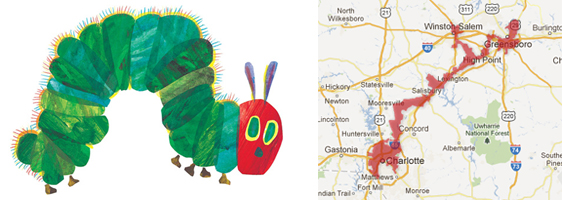
Gerrymandering comes to the forefront. See www.princeton.edu for a video about standards for extreme partisan gerrymandering that we are advocating, based on simple concepts of partisan symmetry and basic statistics. The explainer is pretty spiffy!
Want to know how gerrymandering has gotten so bad in the last few decades? Here’s a history (with numbers) in The American Prospect. A sidebar explains the math.
Finally, we have an interactive website for you to explore the offenses: gerrymander.princeton.edu. It documents Congressional and state-legislature gerrymanders, including Wisconsin Assembly, the topic of next week’s oral arguments before the Supreme Court in Gill v. Whitford.
We hope you enjoy these explorations!
(off topic) Who are we rooting for in today’s Alabama senatorial run-off?
Moore’s highly likely to win. Median polling lead, 11 points.
“root for”? He’s a Todd Akin-ish guy but still a heavy favorite in November.
be careful of what you wish for … according to wikileaks, the DNC was rooting for Donald Trump to win the GOP nomination.
Neither one.
Nice! And featuring that graphic I love!
This is a really fine tool, and I hope it will be extensively used in legal evaluations of the redistricting after the 2020 census. Meanwhile, can PEC offer links to important state legislature candidates who will support non-gerrymandered districts after 2020?